
Key Takeaways:
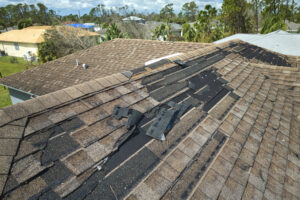
- Wind damage often starts with lifted shingles or areas needing missing shingles repair, and once the roof surface is exposed, rain and debris can quickly spread the damage.
- After a storm, safe ground-level checks and timely emergency roof protection can help prevent leaks and reduce the extent of necessary roof wind damage repair.
- Professional inspections identify both visible and hidden issues, helping homeowners determine whether simple repairs or more extensive roof wind damage repair is needed.
Strong winds are common along Colorado’s Front Range, and in Castle Rock, they can do more than just move debris around. Wind has a way of getting under roofing materials, loosening them over time, and exposing vulnerable areas. Knowing what to look for and what to do next can help you protect your home before minor damage turns into a bigger problem.
What Wind Damage Looks Like and Why It Spreads
Wind damage doesn’t always mean large sections of your roof are missing. In many cases, it starts small.
Common signs include:
- missing shingles repair needs where sections have blown off
- lifted shingles that no longer seal properly
- Exposed underlayment or roof decking
- Loose or damaged flashing around vents and edges
Once wind lifts or removes shingles, your roof becomes more vulnerable. Rain, debris, and additional wind can work their way underneath, spreading the damage across a larger area.
What starts as a minor issue can quickly lead to leaks or structural concerns if it isn’t addressed with timely roof wind damage repair.
Immediate Steps to Take After Roof Wind Damage
After a windstorm, it’s important to check your property safely.
Start with a ground-level inspection:
- Look for missing shingles or debris in your yard
- Check for uneven or lifted areas on the roof
- Watch for pieces of flashing or roofing materials
Avoid climbing onto the roof. Wind damage can weaken materials and create unstable footing.
If you notice visible issues or even suspect damage, it’s time to call for professional emergency roof protection. Acting early helps prevent water intrusion and keeps the damage from spreading.
When Tarp Protection Is the Right Move
In some cases, immediate temporary protection is necessary.
Tarping is often recommended when:
- Large sections of shingles are missing
- The underlayment or decking is exposed
- There’s an active leak or risk of water intrusion
Professional emergency roof protection using a tarp creates a temporary barrier against rain and debris. This helps stabilize the situation until permanent repairs can be completed.
Temporary protection is just that — temporary. It’s important to follow up with full roof wind damage repair to restore your roof’s integrity.
What a Wind Damage Roof Inspection Includes
A professional inspection goes beyond what you can see from the ground.
Celtic Roofing checks:
- Areas needing missing shingles repair
- Sections with lifted shingles that may reseal or require replacement
- Flashing around chimneys, vents, and edges
- Roof valleys and other high-risk areas
Inspections also identify hidden damage. Moisture intrusion and small structural issues may not be visible right away but can lead to long-term problems if ignored.
Common Repairs for Wind-Damaged Roofs
The right repair depends on the extent of the damage.
Typical solutions include:
- missing shingles repair to restore protective coverage
- Securing or replacing lifted shingles
- Resealing exposed areas to prevent leaks
- Repairing or replacing damaged flashing and roof edges
Timely roof wind damage repair helps extend the life of your roof and prevents more costly issues later.
When to Contact Insurance for Roof Wind Damage
Not all wind damage requires an insurance claim, but certain situations may qualify.
You may want to contact your provider if:
- Damage is widespread across the roof
- Structural components are affected
- Repairs go beyond minor fixes
Documenting damage early makes a difference. Photos, inspection reports, and detailed notes help support your claim.
A professional inspection provides the information needed to move forward with confidence.
Next Steps: Protecting Your Castle Rock Roof
After wind damage, timing matters. Small issues can escalate quickly if left unaddressed.
Taking the next step means:
- Scheduling prompt repairs
- Preventing further exposure to weather
- Working with a local contractor who understands Castle Rock conditions
Ongoing maintenance also helps reduce future risk. Keeping your roof in good condition makes it more resilient against the next round of wind and storms.
Celtic Roofing provides honest inspections, reliable repairs, and practical solutions designed to keep your roof performing the way it should.